
Women’s Labor and Agency
The PeasantsThis thematic thread follows women’s work, limited choices, and acts of resistance within a social order largely controlled by men and landowners.
increasing Bearing strength in each event
 decreasing
Bearing strength in each eventdecreasingWork Without Recognition
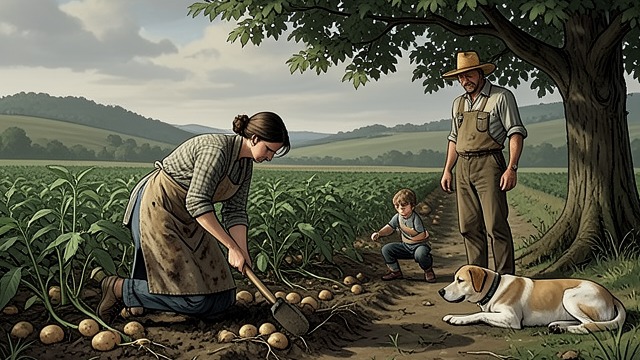
Work Without Recognition
Daily labor
Women dig potatoes, raise children, tend animals, and keep households functioning, often while men claim authority over land and decisions.
Unequal judgment
Their labor is essential, but their conduct and reputation are scrutinized more intensely than men’s.
Hanka Takes Responsibility
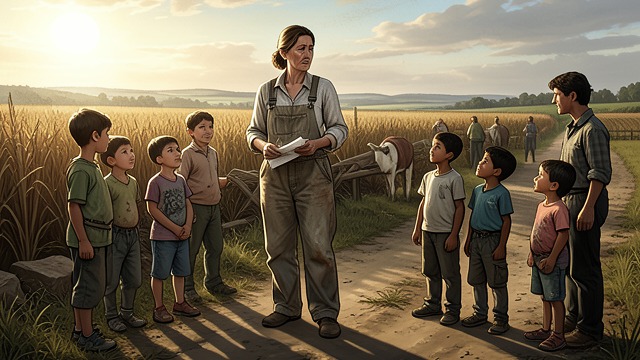
Hanka Takes Responsibility
Necessity creates authority
After the men are arrested, Hanka takes charge of farm work, finances, and the children.
Agency earned through labor
Her competence earns respect, yet it comes at the cost of exhaustion and continued responsibility for everyone around her.
Jagna Resists Control
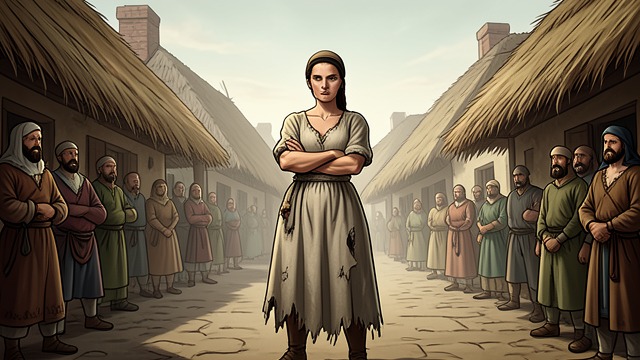
Jagna Resists Control
Desire for freedom
Jagna refuses to fit the village’s expectations of a wife and household mistress, and continues to make choices that unsettle others.
Constrained agency
Her defiance brings attention and punishment rather than lasting independence, revealing how narrow a woman’s choices can be.
A Double Standard
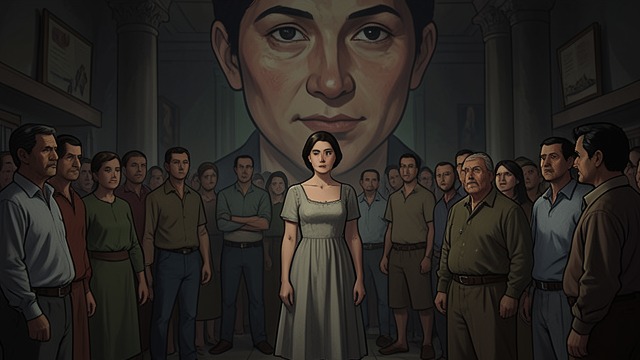
A Double Standard
Men’s conduct excused
The village often excuses men’s affairs while treating women’s desire as evidence of moral corruption.
Jagna targeted
This unequal standard helps turn her relationships into a public offense and eventually a reason for banishment.
Collective Punishment
Collective Punishment
Women police women
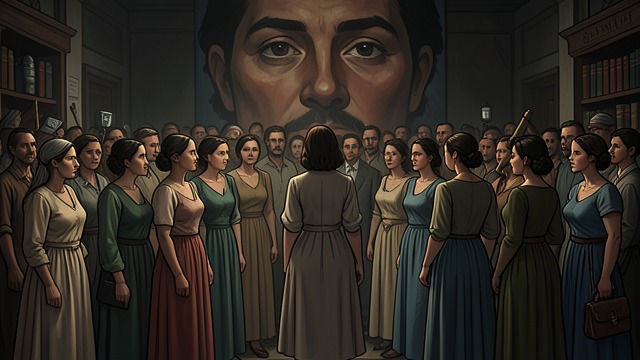
Women join the crowd that humiliates and expels Jagna, even as their own lives are governed by similar restrictions.
Agency denied
The village’s moral authority is exercised against a woman with little power to answer or defend herself.
autumn
winter and spring
spring and summer
late summer
near the ending
